Tape and movie film formats we transfer
We transfer home and family movies to MP4 on a USB, DVD, hard drive or Blu-ray disc, or as a movie file you can edit on your computer, so the moments on those old reels and tapes can be watched again. We specialise in domestic home movies and also work with schools, universities, government departments and small and big businesses.
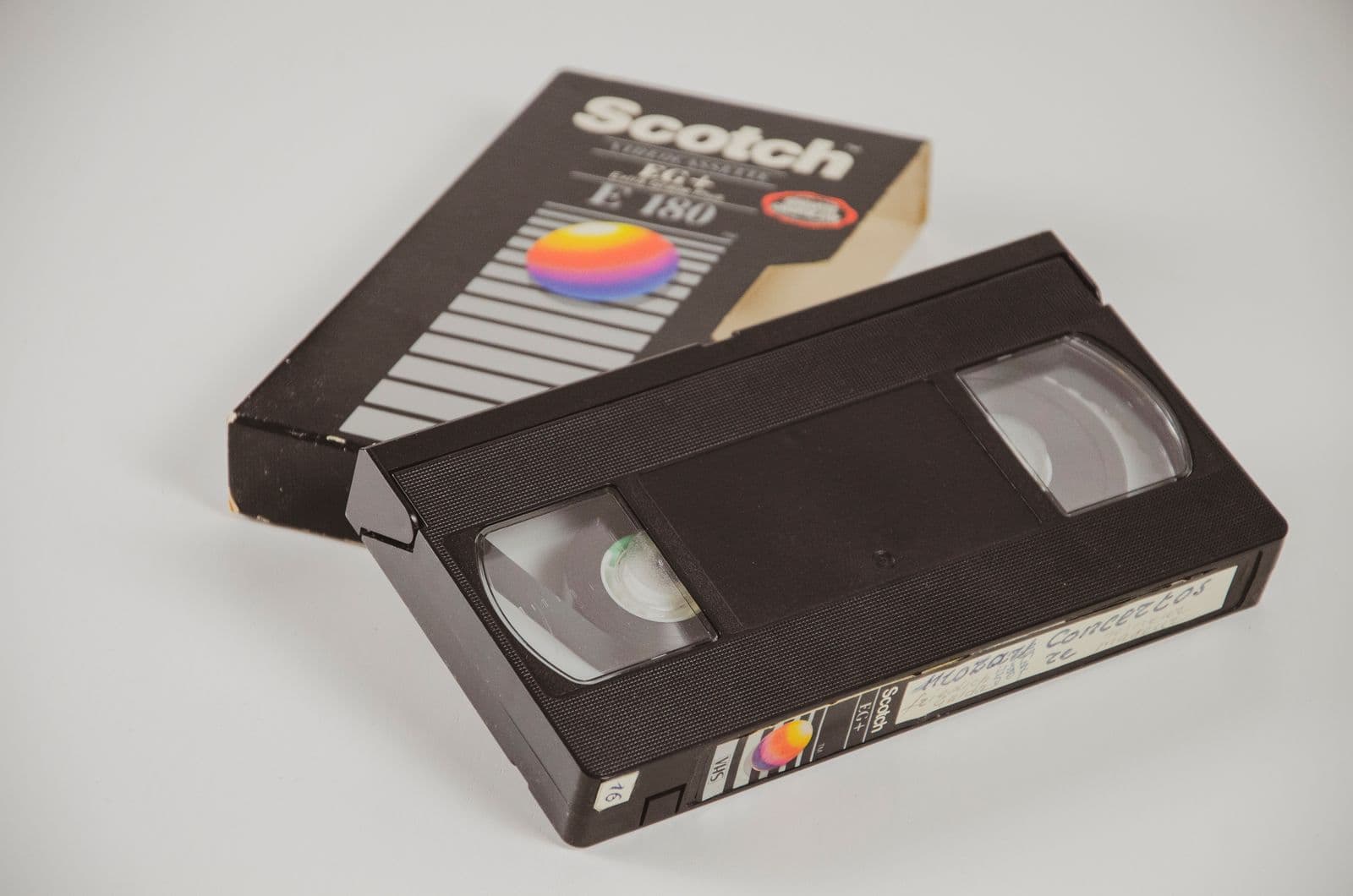
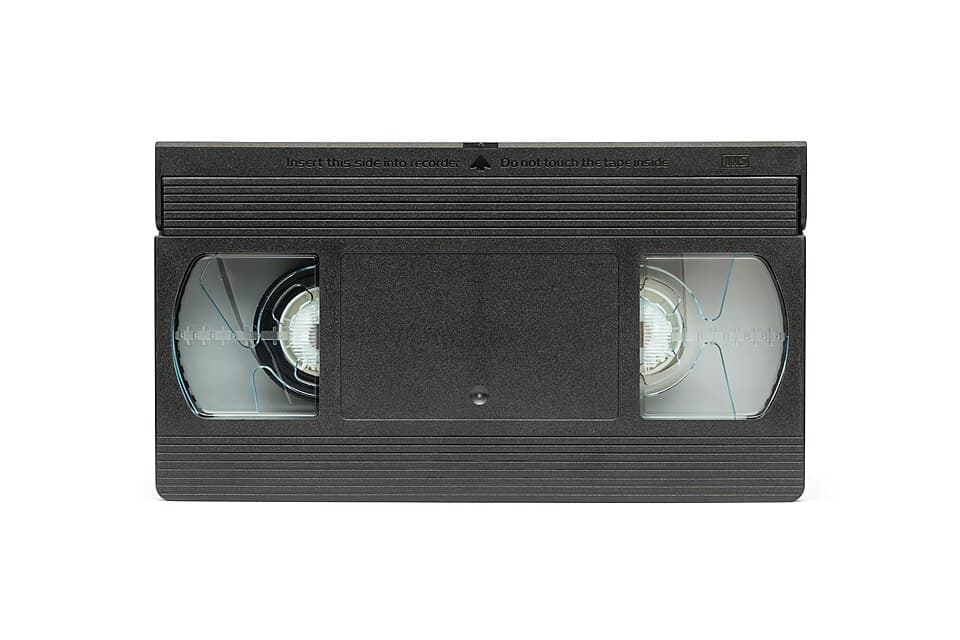
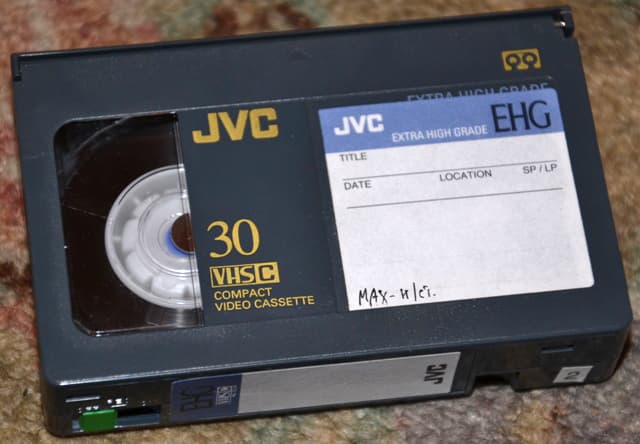
VHS is our most popular format by far. It arrived in 1976, was the home standard by 1990, and was overtaken within a few years of DVD's release in 1997. Next to DVD and HD it is low resolution, so don't expect a Hollywood blockbuster. We also digitise SVHS and SVHS-C. VHS-C (VHS Compact, 1982) is the same magnetic media in a smaller shell; it played in a VCR through an adapter, which made it more popular than Video8. Every VHS and VHS-C tape gets a professional clean before transfer to remove years of dust and grime. Some transfer businesses clean their machines every 30 tapes, so the thirtieth tape suffers; your clean tape goes through our clean, high-quality machines and the results are consistently better.
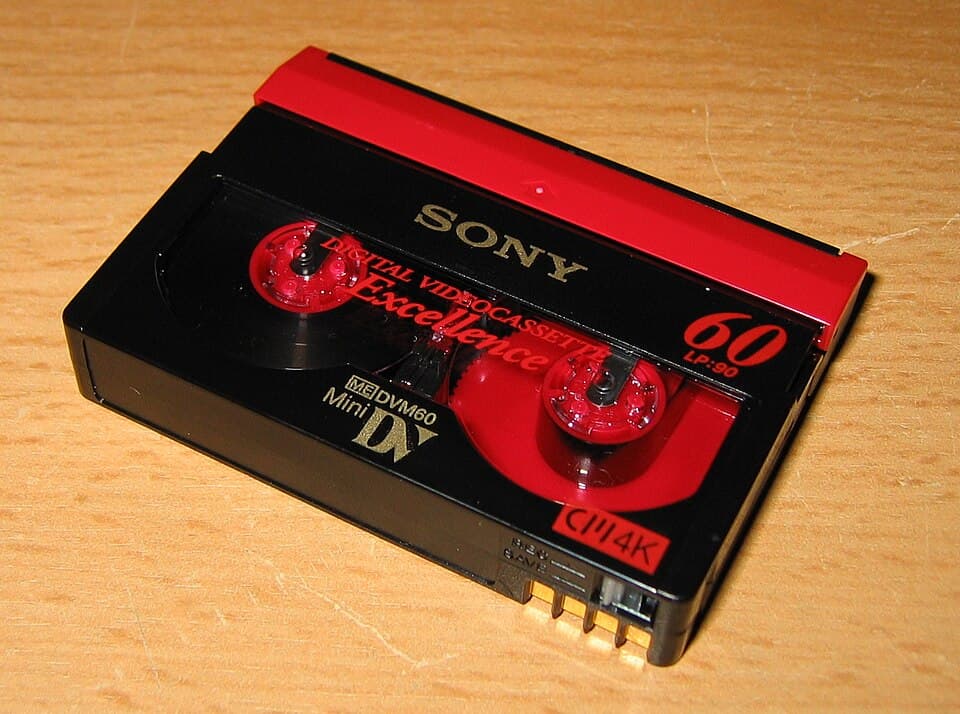
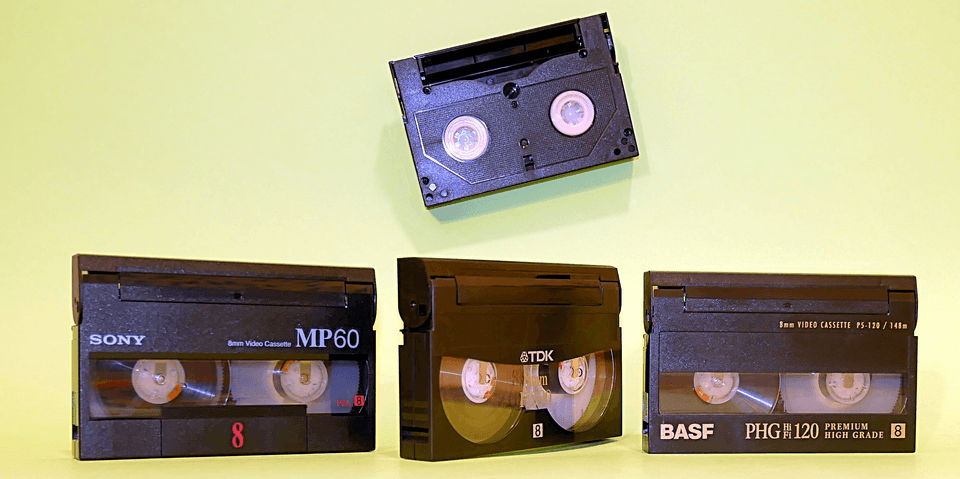
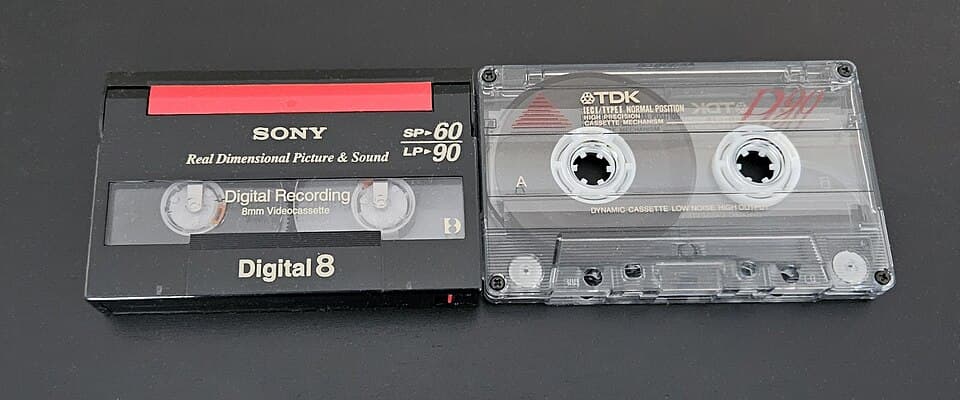
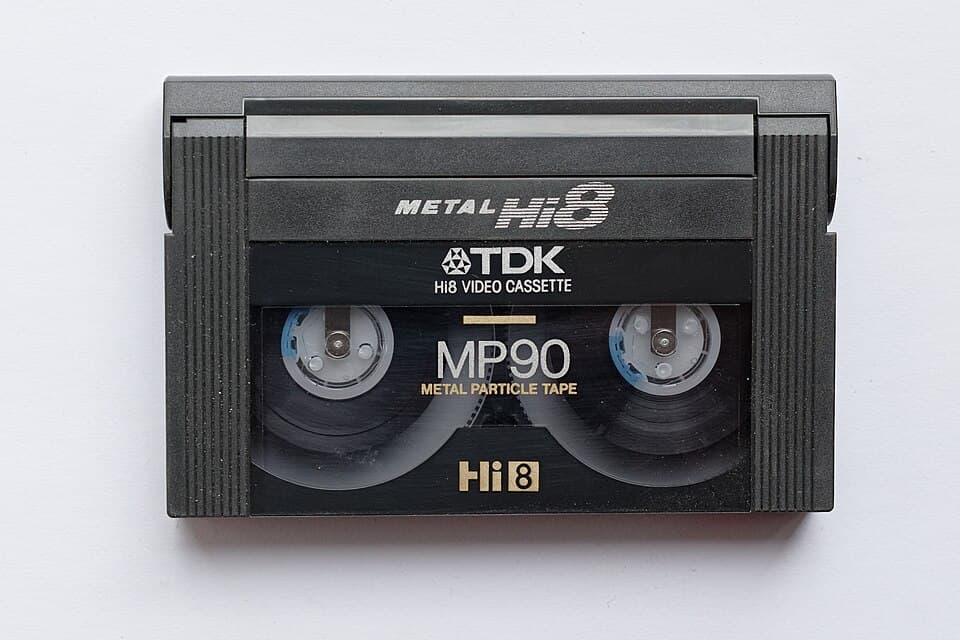
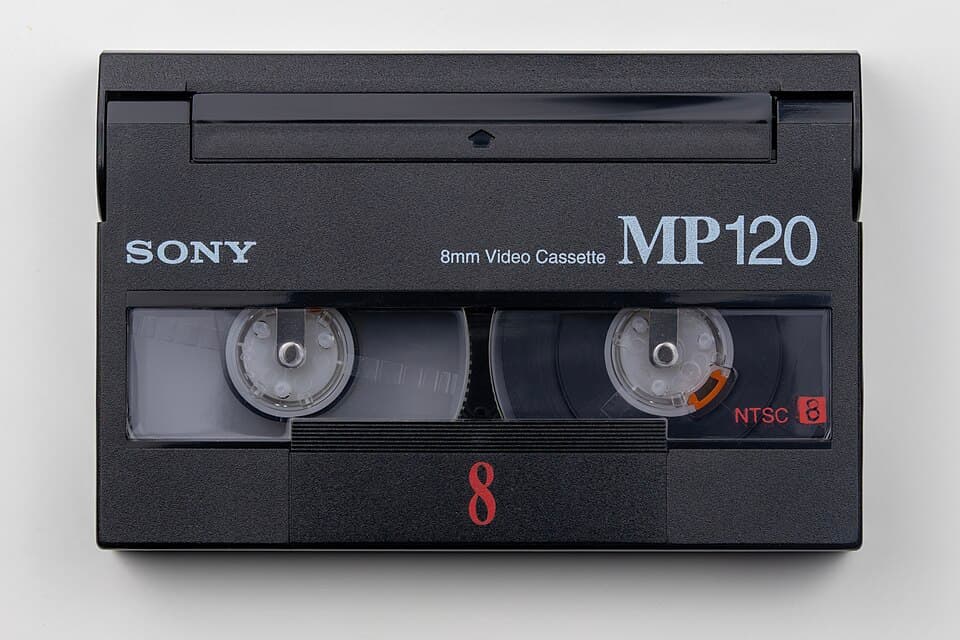
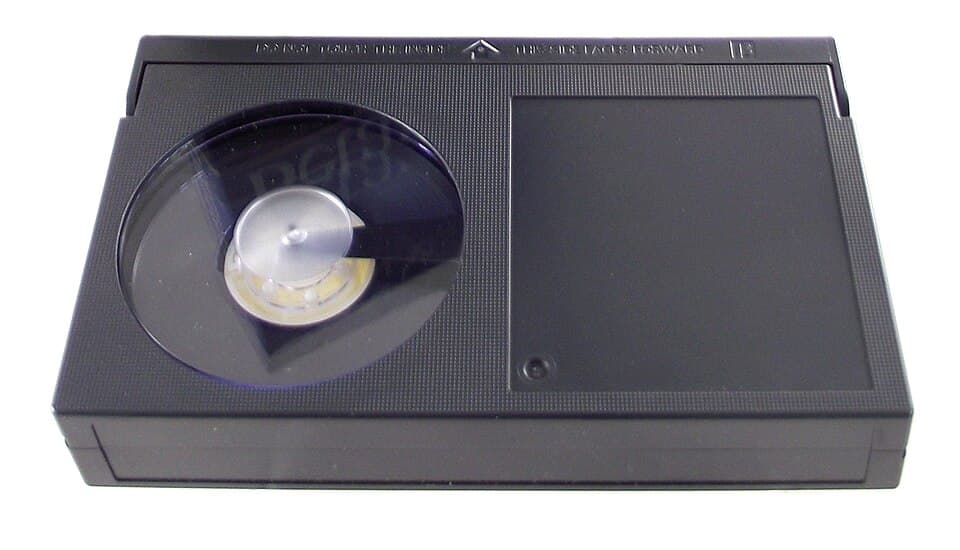
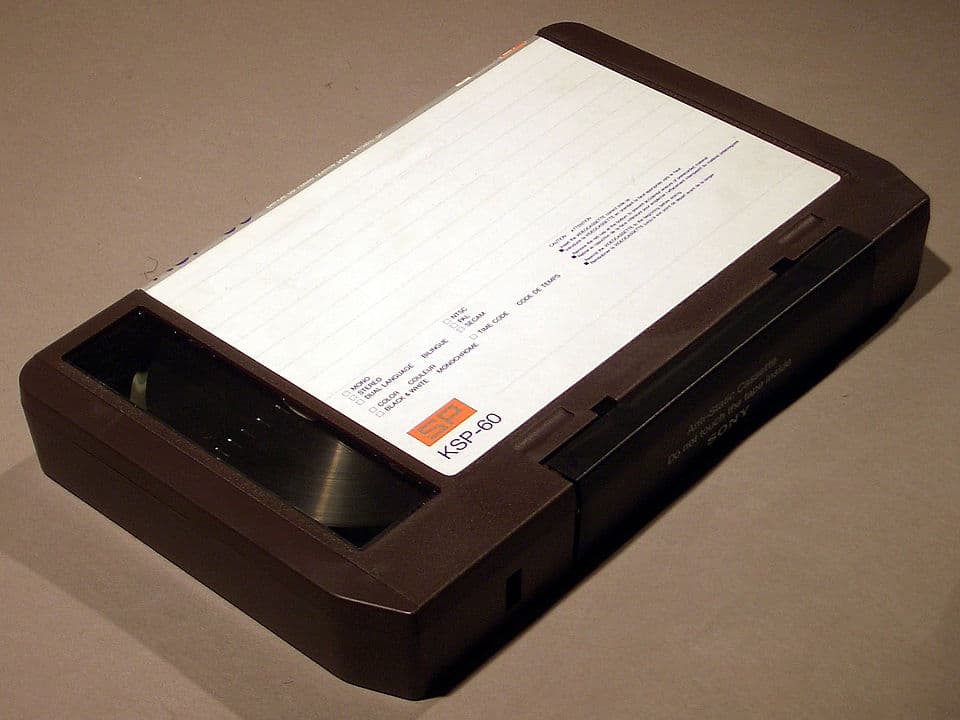
MiniDV (1995) is the smallest camcorder tape and the highest quality. Video8 arrived in 1985, Hi8 a few years later at slightly higher quality, and Digital8 in 1999, much like MiniDV but on Video8 tapes. All three degrade readily, so any tape older than 15 years should be digitised as soon as possible. Beta (Betamax) lost the format war to VHS, and Umatic, the first video format, was mostly commercial and industrial. Both are defunct, but we still transfer them.
- VHS, VHS-C, SVHS and SVHS-C
- MiniDV, Video8, Hi8 and Digital8
- Beta (Betamax) and Umatic
- Betacam
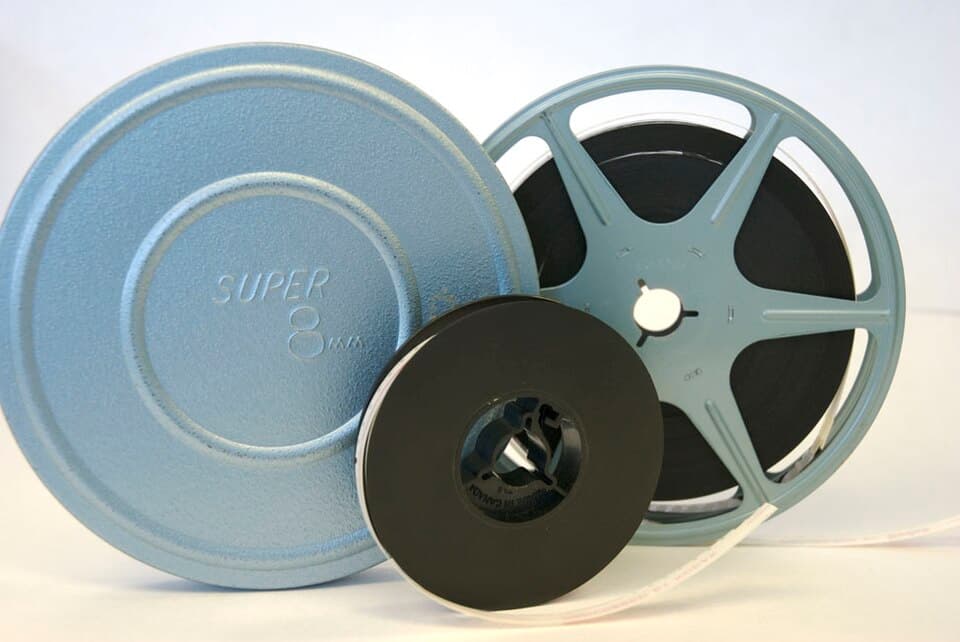
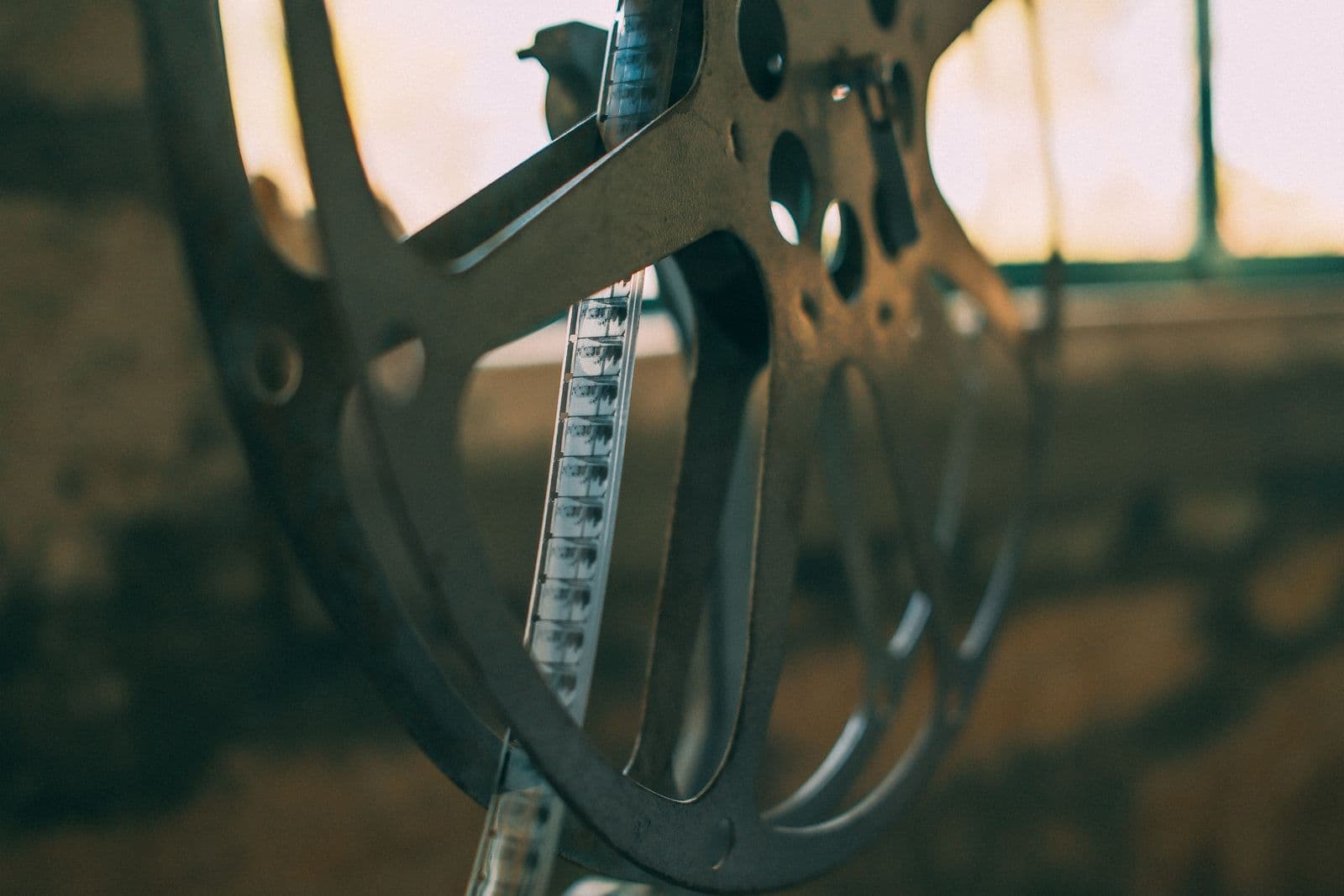
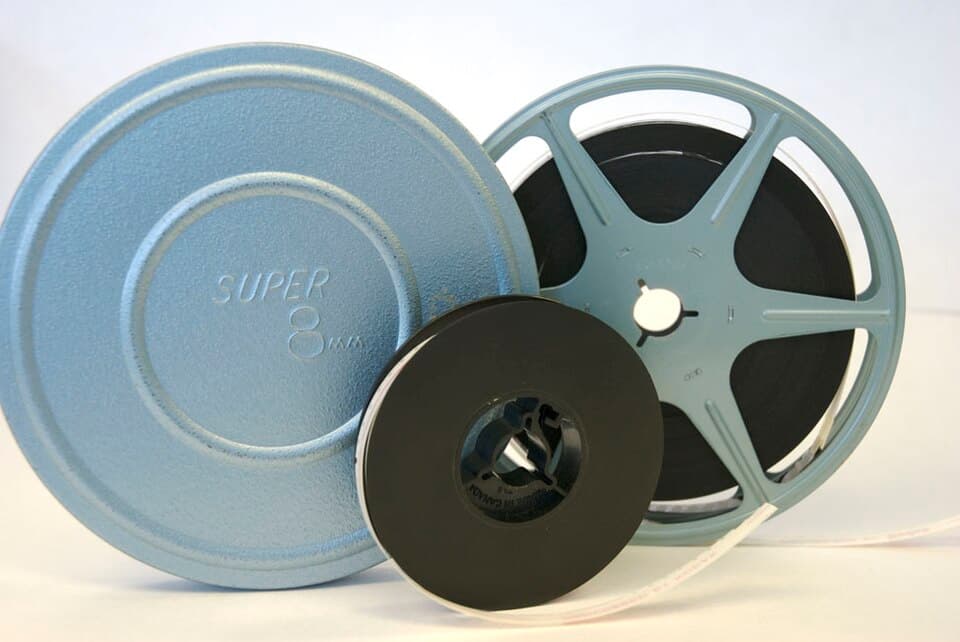
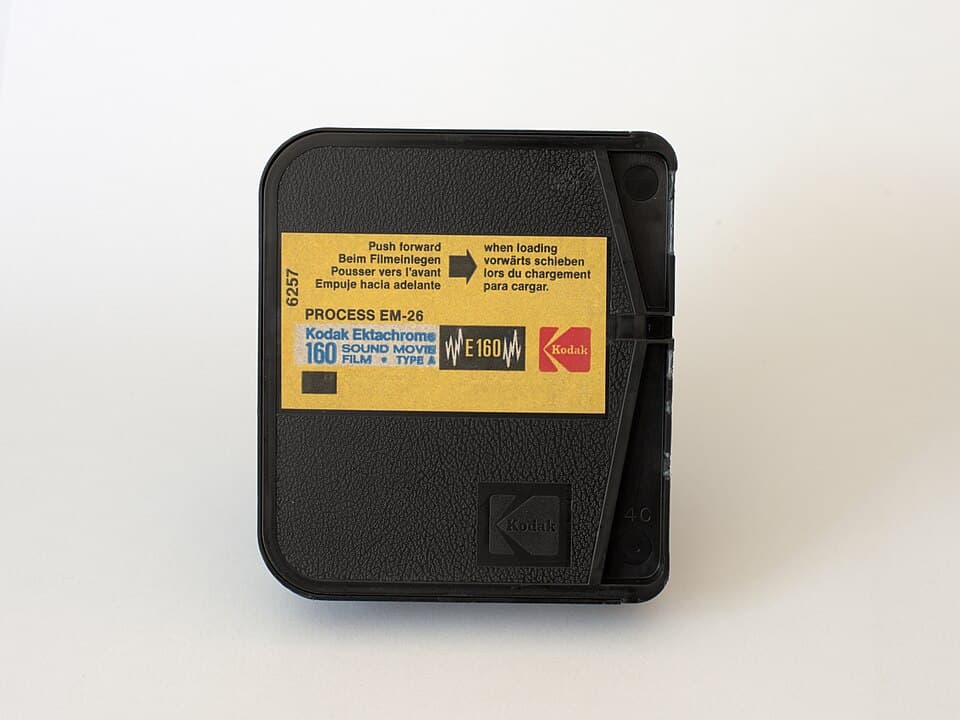
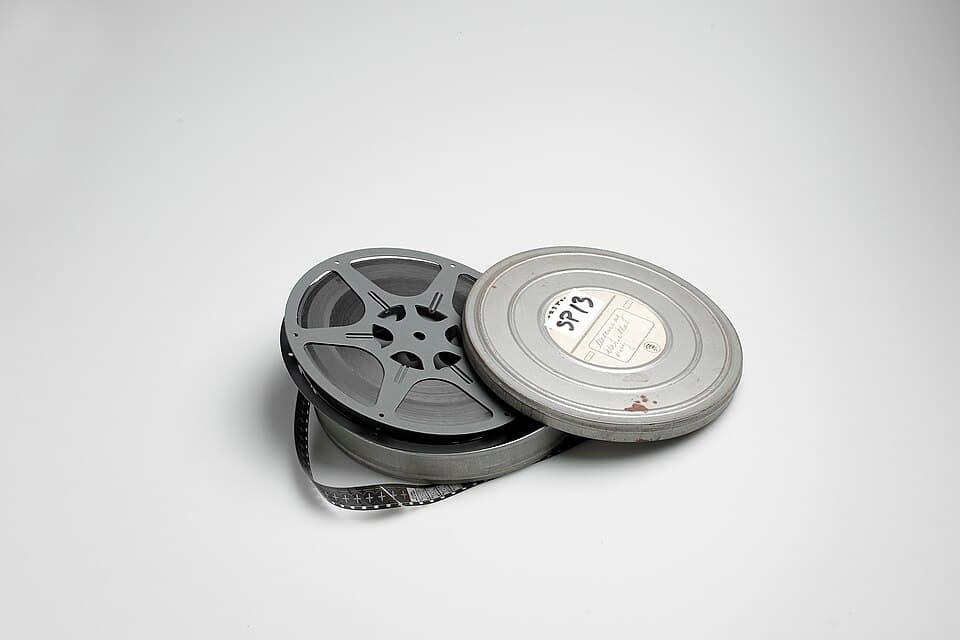
- 8mm and Super 8 cine film
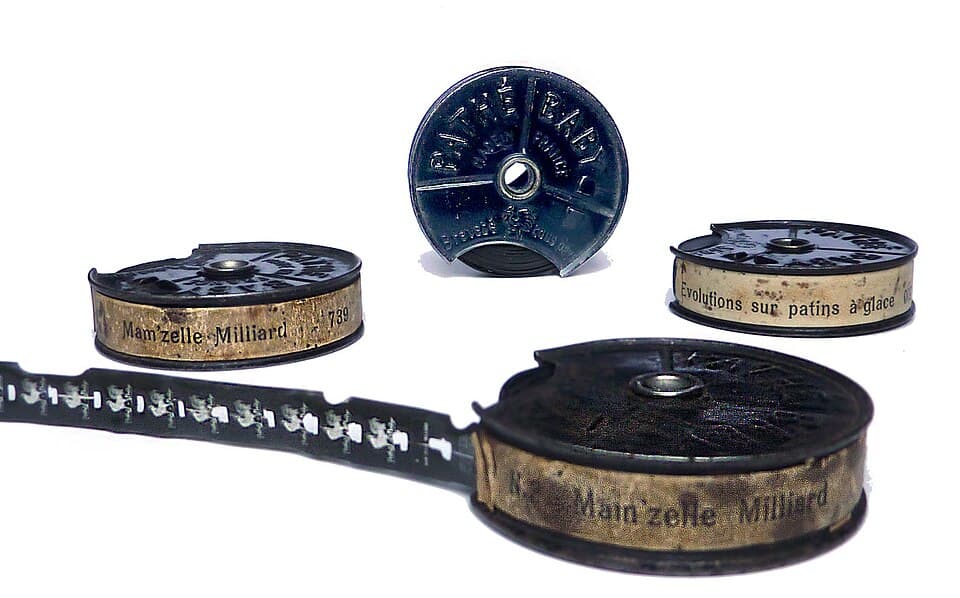
- 16mm and 9.5mm cine film
- Reel to reel